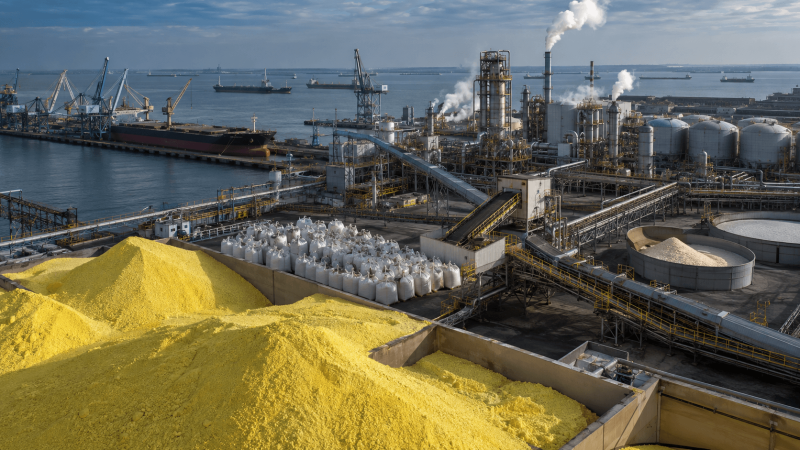
From Waste to Wonder: The Extraordinary Evolution of the Petrochemical Industry
From industrial by-products to advanced materials powering modern technology, explore the remarkable evolution of petrochemicals and the innovations shaping the industry's future.
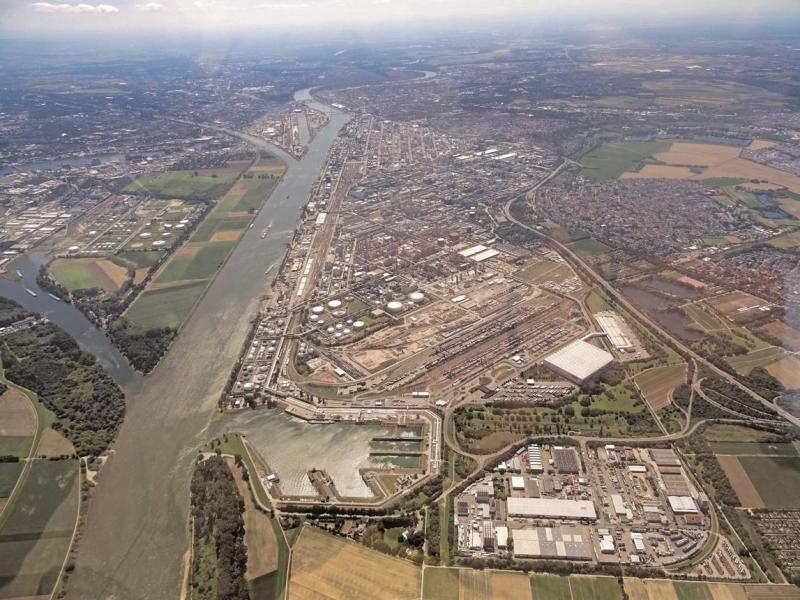
What if one of the most influential industries in human history began with materials nobody wanted?
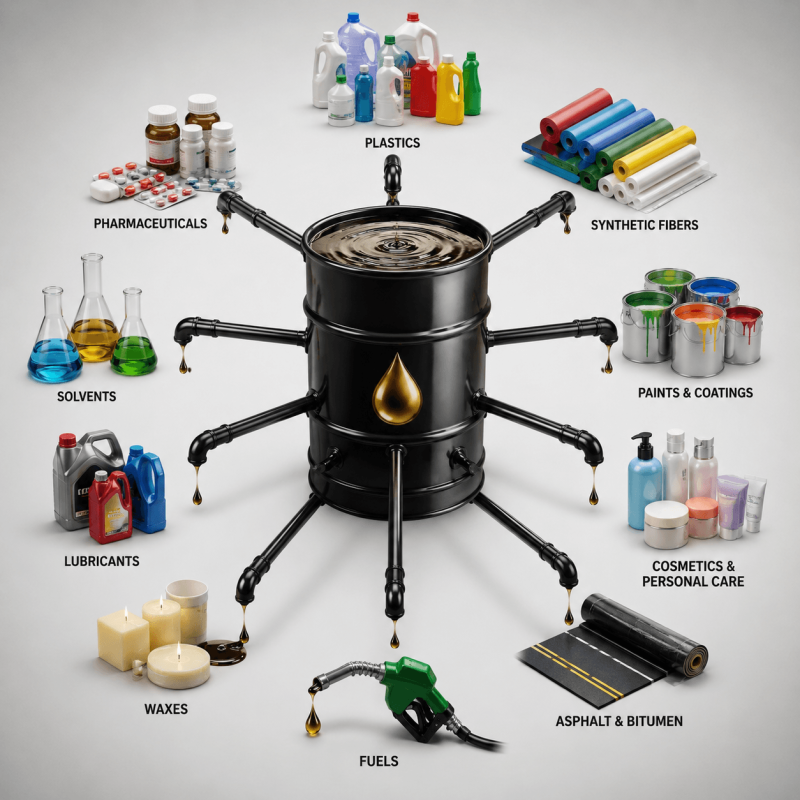
Today, petrochemicals are everywhere. They are found in the clothes we wear, the vehicles we drive, the medicines we use, and the electronic devices connecting our world.
Yet the industry responsible for these essential materials has a surprisingly unusual history.
What began as an effort to make use of unwanted petroleum by-products eventually transformed manufacturing, international trade, and modern civilization.
And more than a century later, the petrochemical industry is preparing for another major transformation.
The 1920s: When Industrial Waste Became an Opportunity
In the early twentieth century, petroleum companies were primarily interested in producing fuels. Certain gases and hydrocarbons generated during refining and natural gas processing had limited commercial value.
That changed in 1921.
In Clendenin, West Virginia, a small industrial facility began converting ethane from natural gas into ethylene, a chemical building block that would eventually revolutionize manufacturing.
The breakthrough was remarkable. Materials with limited markets could suddenly become the foundation for entirely new products.
By 1934, more than 50 derivative chemicals were being manufactured from hydrocarbons processed through this technology.
The modern petrochemical industry had begun.
The 1940s–1960s: The Materials That Changed Everyday Life
The following decades brought an explosion of industrial innovation.
The development and commercialization of synthetic rubber, polyethylene, nylon, polyester, and other materials fundamentally changed what manufacturers could produce.
Suddenly, industries could manufacture lightweight, durable, flexible, and relatively affordable products on an unprecedented scale.
Synthetic fibers transformed clothing. Plastics revolutionized packaging. Synthetic rubber supported the expanding automotive industry.
Petrochemicals were no longer simply a secondary business of petroleum producers. They had become an essential foundation of modern manufacturing.
The industry was no longer just processing hydrocarbons. It was creating entirely new possibilities for everyday life.
The 1970s–2000s: From Industrial Innovation to Global Powerhouse
As worldwide demand increased, petrochemical production expanded far beyond its early industrial centers.
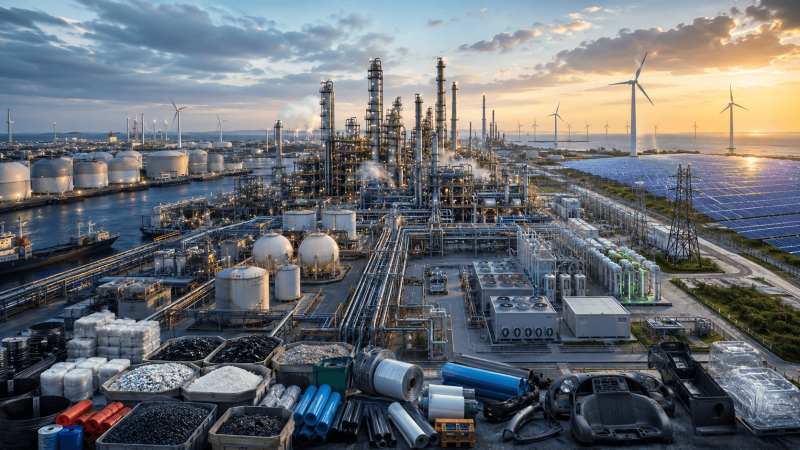
Large integrated manufacturing complexes emerged across the Middle East, Asia, Europe, and North America.
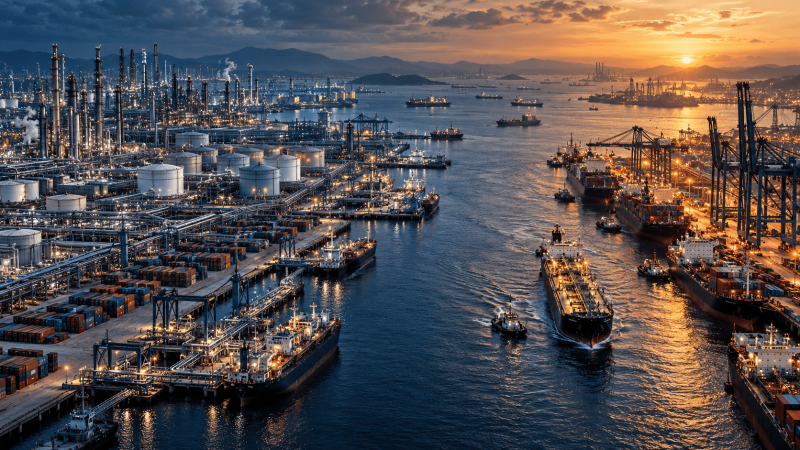
Access to competitive feedstocks, advanced production technologies, and international shipping networks helped transform petrochemicals into a truly global business.
Meanwhile, demand for polymers, synthetic fibers, industrial chemicals, and specialty materials continued growing.
The scale of this transformation is extraordinary.
According to UN Trade and Development, global plastics production increased from approximately 2 million tonnes in 1950 to 436 million tonnes in 2022.
In just a few generations, materials that were once industrial innovations became indispensable components of global commerce.
But rapid expansion also created new challenges.
The 2010s–2020s: When Growth Became More Complicated
For decades, increasing production capacity seemed like a straightforward response to rising demand.
However, the modern petrochemical market has become considerably more complex.
Major investments in new production facilities, particularly in China and the United States, have reshaped global supply dynamics. In several commodity chemical markets, additional capacity has intensified competition and placed pressure on margins.
At the same time, environmental concerns, changing regulations, and growing expectations around recycling have challenged traditional production and consumption models.
The industry now faces an important contradiction.
The world continues to need petrochemicals, but producing more is no longer a guarantee of greater profitability.
Success increasingly depends on production efficiency, competitive feedstocks, reliable supply chains, and the ability to respond to changing demand.
2026 and Beyond: A New Industrial Revolution?
The petrochemical industry's next chapter may be its most interesting yet.
While electric vehicles and renewable energy are changing the outlook for transportation fuels, petrochemicals are becoming increasingly important to global oil demand.
The International Energy Agency's Oil 2025 report identifies petrochemicals as the leading source of global oil demand growth from 2026 onward. It projects that producing polymers and synthetic fibers will require approximately 18.4 million barrels per day of oil by 2030.
But future growth will not necessarily resemble the past.
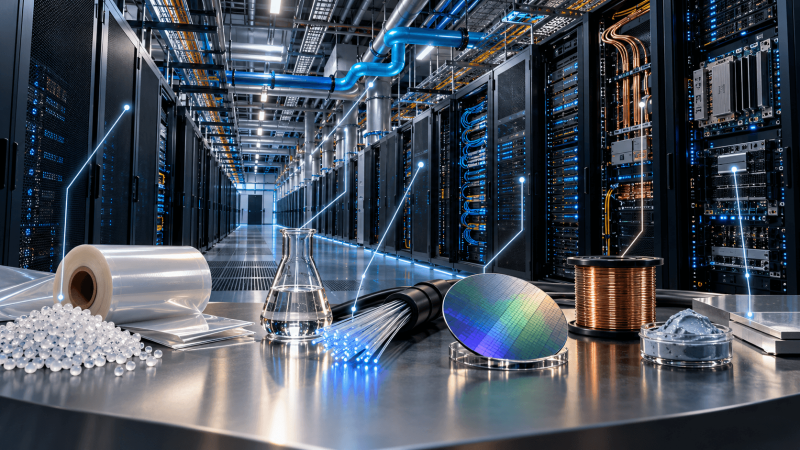
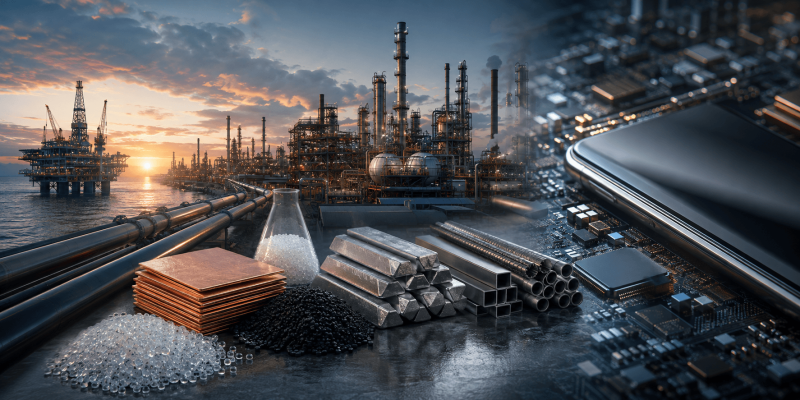
Artificial intelligence infrastructure, advanced electronics, renewable energy technologies, electric vehicles, and modern healthcare all depend on specialized chemicals and industrial materials.
Meanwhile, mechanical and chemical recycling technologies, alternative feedstocks, cleaner production processes, and circular-economy initiatives are creating new possibilities for an industry under pressure to reduce its environmental impact.
Not every emerging technology will become commercially competitive, and the transition will require substantial investment.
Nevertheless, one thing is becoming clear: the industry's future will depend as much on technological innovation and adaptability as on production capacity.
From Yesterday's By-Products to Tomorrow's Breakthroughs
Perhaps the most fascinating aspect of the petrochemical industry's evolution is how frequently its role has changed.
In the 1920s, it found commercial value in underutilized hydrocarbons.
By the middle of the twentieth century, it was transforming consumer products and industrial manufacturing.
By the early 2000s, it had become a cornerstone of international trade.
Today, it stands at the intersection of technological innovation, environmental responsibility, and changing global demand.
At Prime Petrochem FZC, we follow these developments closely, recognizing that understanding the industry's evolution is essential to navigating international chemical and industrial commodity markets.
After all, the history of petrochemicals offers one particularly important lesson:
The greatest opportunities do not always come from discovering new resources. Sometimes, they come from discovering entirely new possibilities in the resources we already have.