The Unexpected Connection Between Artificial Intelligence and the Chemical Industry
Artificial intelligence is reshaping the chemical industry in 2026. Discover how expanding AI infrastructure and data centers are driving demand for specialty chemicals, semiconductor materials, copper, and industrial products.
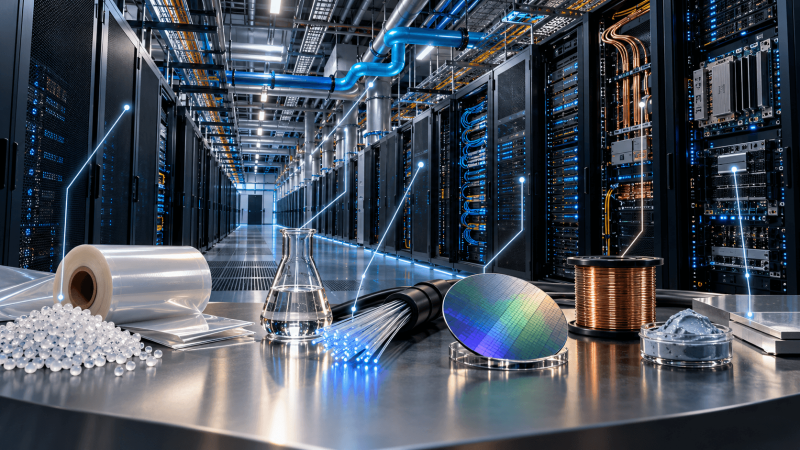
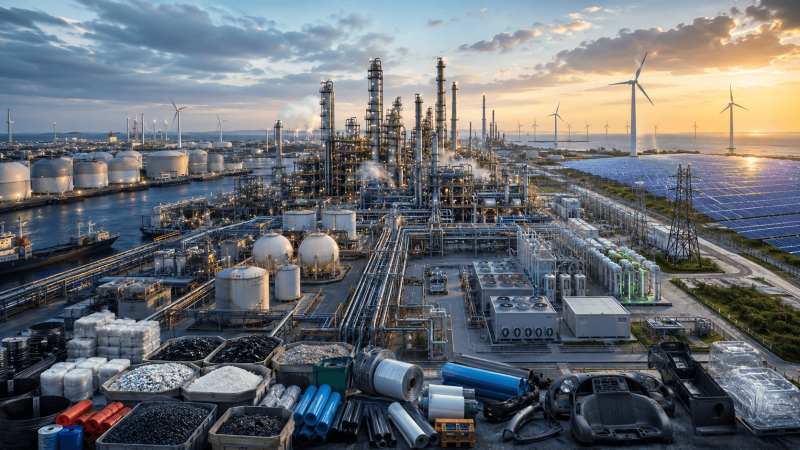
Artificial intelligence may be powered by data, but the infrastructure behind it depends heavily on something far more physical: chemicals and industrial materials.
When we think about artificial intelligence, we usually imagine sophisticated algorithms, powerful processors, and enormous data centers. Rarely do we think about specialty chemicals, polymers, copper, or industrial cooling systems.
Yet these materials are becoming increasingly important to the expansion of the global AI industry.
And according to recent research, the chemical companies supplying this technological transformation are already experiencing remarkable results.
A 48% Return in a Challenging Industry
In its October 2026 industry analysis, McKinsey revealed a striking difference in the performance of chemical companies.
While the overall chemicals sector generated approximately 14% total shareholder return through mid-September 2026, companies exposed to electronics and data centers achieved around 48%.
That is more than three times the sector's overall return.
The contrast is particularly significant because much of the traditional petrochemical industry continues to struggle with excess production capacity, uneven demand, and margin pressure.
So what makes AI-related chemicals different?
The answer lies in the extraordinary physical infrastructure required to power the digital economy.
Behind Every AI Breakthrough Is a Complex Supply Chain
Artificial intelligence requires far more than computer chips.
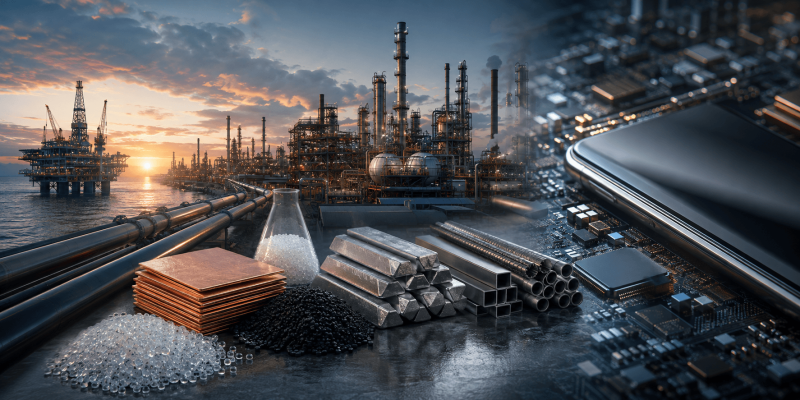
Semiconductor manufacturing depends on highly specialized chemicals, industrial gases, cleaning agents, and advanced materials. Data centers also require extensive electrical infrastructure, sophisticated cooling systems, insulation, and durable polymer components.
As AI systems become more powerful, the demand for these supporting materials is expanding.
According to McKinsey, leading electronic-chemical companies have reported volume growth of approximately 15–20%, making electronics one of the industry's strongest-performing segments.
This creates an interesting contrast: while some traditional chemical markets struggle to absorb excess supply, technologically advanced applications are generating new sources of demand.
Data Centers Are Becoming Industrial Projects
The rapid expansion of AI infrastructure is also transforming demand for traditional industrial commodities.
Constructing and operating large data centers requires substantial quantities of copper, aluminium, steel, electrical insulation, piping, and cooling equipment.
McKinsey's October 2026 Global Materials Perspective estimates that global data-center capacity could increase from approximately 84 gigawatts in 2025 to nearly 600 gigawatts by 2040.
Such growth could create significant opportunities across several industrial supply chains.
However, the benefits will not be distributed equally. Demand for specialized semiconductor chemicals is growing differently from demand for conventional commodity petrochemicals.
Understanding these distinctions will be essential for companies evaluating emerging market opportunities.
A New Chapter for the Chemical Industry
The rise of artificial intelligence demonstrates how closely the physical and digital economies are connected.
While software and computing power attract most of the attention, chemicals and industrial materials remain essential to building the infrastructure that makes technological progress possible.
For international commodity markets, this represents more than an emerging demand trend. It is another example of how innovation can reshape industrial consumption, sourcing priorities, and global trade.
At Prime Petrochem FZC, we closely follow the developments influencing international chemicals and industrial materials markets, recognizing that today's technological breakthroughs can become tomorrow's major industrial demand drivers.
The future of artificial intelligence may be digital, but the foundations supporting it are unmistakably physical.